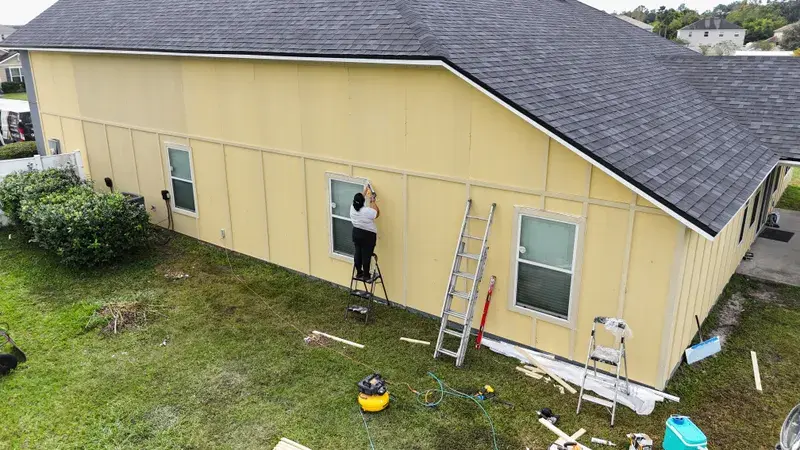
Regular roof maintenance can extend your Florida roof's lifespan by 5-10 years and prevent costly repairs. The essentials are: inspect twice yearly (before and after hurricane season), clean debris regularly, check for damaged shingles, ensure gutters flow freely, and address small issues before they become big ones. Most homeowners can do basic inspections from the ground or a ladder; leave repairs to professionals.
Florida Roof Maintenance: Quick Summary
| Inspection Frequency: | Twice yearly + after major storms |
| Best Times: | May (before hurricane season) and November (after) |
| Potential Life Extension: | 5-10 years with proper maintenance |
| Professional Inspection Cost: | $150-$400 (often free with repair contract) |
Why Does Roof Maintenance Matter in Florida?
Florida roofs face more stress than roofs in most other states:
- Intense UV Radiation: Degrades shingles and sealants faster than northern climates
- Hurricane Season: Six months of potential wind and rain damage
- Heat Cycling: Daily expansion/contraction stresses materials
- Humidity: Creates conditions for algae, mold, and rot
- Heavy Rain: Tests waterproofing more frequently than drier regions
These factors mean Florida roofs wear out faster than manufacturer warranties suggest. Regular maintenance catches problems early, when a $200 repair can prevent a $10,000 replacement.
Seasonal Roof Maintenance Checklist
Spring (Before Hurricane Season)
This is your most important inspection, prepare for the storms ahead:
- ☐ Look for missing, cracked, or curling shingles
- ☐ Check flashing around vents, pipes, and chimney
- ☐ Inspect sealant/caulking around penetrations
- ☐ Clean gutters and downspouts completely
- ☐ Trim tree branches within 6 feet of roof
- ☐ Check attic for water stains or daylight showing through
- ☐ Look for algae or moss growth (common in Florida)
- ☐ Verify soffit vents aren't blocked
Fall (After Hurricane Season)
Assess any storm damage and prepare for winter rains:
- ☐ Full visual inspection for storm damage
- ☐ Check for lifted or displaced shingles
- ☐ Look for debris impacts or dents
- ☐ Clean gutters of leaves and debris
- ☐ Check attic again for any new leaks
- ☐ Document any damage for insurance purposes
- ☐ Schedule repairs before winter rains
After Major Storms
Additional inspection after hurricanes or severe weather:
- ☐ Walk property perimeter looking for debris from roof
- ☐ Check for missing shingles or exposed underlayment
- ☐ Look for dents in metal flashings or gutters
- ☐ Inspect satellite dishes, antennas, or solar panels
- ☐ Document and photograph any damage immediately
Need Professional Help?
Gimo's Roofing offers free inspections and estimates throughout Jacksonville and Northeast Florida.
Common Roof Issues in Florida
Algae Growth (Black Streaks)
Those dark streaks on shingles are algae (Gloeocapsa magma), which thrives in Florida's humid conditions. It's primarily cosmetic but can reduce shingle life if left untreated for years. Algae-resistant shingles help prevent this; existing algae can be cleaned with appropriate solutions.
Wind Damage
Florida wind lifts and creases shingles, breaking their seal. Even if shingles don't blow off, they may be compromised. After storms, check for shingles that look lifted or folded, they need replacement even if still attached.
Clogged Gutters
Jacksonville's oak trees drop leaves year-round. Clogged gutters cause water to back up under shingles and into fascia boards, leading to rot. Clean gutters at least twice yearly, more often if you have many trees.
Failing Sealant
Florida sun degrades caulk and sealant around penetrations faster than in cooler climates. Check around vents, pipes, and flashings for cracked or missing sealant, this is where many roof leaks begin.
Granule Loss
Check your gutters for excessive granules (the sandpaper-like coating on shingles). Some granule loss is normal, but significant accumulation indicates shingles are wearing out. Bald spots on shingles mean it's time to plan for replacement.
DIY vs Professional Roof Maintenance
What You Can Do Yourself
- Ground-Level Inspection: Look at the roof with binoculars
- Attic Inspection: Check for leaks, daylight, or water stains
- Gutter Cleaning: Safe from a ladder with proper precautions
- Debris Removal: Keep roof valleys and gutters clear
- Tree Trimming: Keep branches 6+ feet from roof
- Documentation: Photo and document issues for professionals
When to Call a Professional
- Any Repairs: Leave shingle replacement, flashing work, and sealant application to pros
- Steep Roofs: Don't walk on roofs steeper than 6:12 pitch
- Tile or Metal Roofs: Special expertise needed (tile breaks, metal scratches)
- Storm Damage Assessment: Professional documentation for insurance claims
- Annual Inspections: Professional eyes catch what homeowners miss
Safety Warning
Roof work is dangerous. Falls from roofs cause thousands of injuries annually. Never walk on a wet roof, avoid steep roofs entirely, and use proper ladder safety. When in doubt, hire a professional, medical bills cost far more than a service call.
Biggest Roof Maintenance Mistakes
Ignoring Small Problems
A missing shingle seems minor, until water damages your decking and attic. Small problems become big problems fast in Florida's climate. Address issues promptly.
Pressure Washing Shingles
High-pressure washing removes protective granules from shingles, shortening roof life. If you need to clean algae, use low-pressure chemical treatment. Never power wash asphalt shingles.
Walking on the Roof Unnecessarily
Every time you walk on your roof, you risk damaging shingles and compromising their seal. Limit foot traffic to necessary inspections, use binoculars when possible.
DIY Repairs with Wrong Materials
Roofing cement, silicone caulk, and mismatched shingles are common homeowner "fixes" that often cause more problems than they solve. Professional repairs cost less than redoing amateur work.
Skipping Post-Storm Inspections
Damage isn't always visible from the ground. Always inspect after significant storms, and document damage quickly for insurance. Waiting too long can complicate claims.
The Real Cost of Neglecting Maintenance
Skipping maintenance has real financial consequences:
- Shortened Roof Life: A well-maintained 20-year roof may last 25 years; a neglected one may fail at 15
- Interior Water Damage: A small leak can cause thousands in drywall, insulation, and mold remediation
- Emergency Repairs Cost More: Urgent storm-season repairs cost 2-3x more than scheduled maintenance
- Insurance Issues: Insurers may deny claims if neglect contributed to damage
- Reduced Home Value: Buyers and inspectors spot neglected roofs
At Gimo's Roofing, we offer roof repair services starting at $500 for minor repairs. Catching problems early keeps costs low.
Get a Free Roofing Estimate
Instant online pricing or schedule an in-person assessment. Financing available from $99/month.
You Might Also Read
- Spring Roof Maintenance Checklist - Seasonal guide
- Roof Algae Removal - Clean your roof safely
- How Long Does a Roof Last? - Lifespan by material
Key Takeaways: Florida Roof Maintenance
- • Inspect twice yearly: Before (May) and after (November) hurricane season
- • Always inspect after major storms and document damage immediately
- • Clean gutters regularly: At least twice per year in Jacksonville
- • Address small problems promptly: Before they become expensive
- • Leave repairs to professionals: DIY fixes often cause more problems
- • Never pressure wash shingles: It removes protective granules
- • Maintenance can add 5-10 years to your roof's lifespan
Need a professional roof inspection? Contact Gimo's Roofing for a free assessment. We'll evaluate your roof's condition, identify any issues, and provide honest recommendations. Call (904) 606-5313.