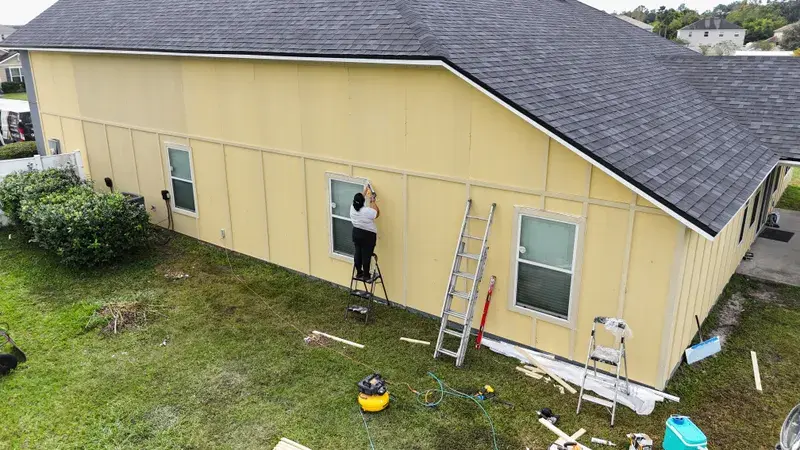
After a hurricane, immediately check for: missing or displaced shingles, lifted edges and creasing, granule accumulation in gutters, damaged flashing, dents in metal components, debris impact marks, and water stains in your attic. Document all damage with photos before any cleanup. File insurance claims promptly, Florida law gives insurers limited time to respond once notified.
Post-Hurricane Roof Check: Quick List
- ☐ Missing, displaced, or lifted shingles
- ☐ Granules in gutters or on ground
- ☐ Damaged flashing around vents/chimney
- ☐ Dents in gutters, vents, or metal components
- ☐ Debris impact marks or holes
- ☐ Water stains on attic ceiling/walls
- ☐ Daylight visible through roof in attic
When Should You Check Your Roof After a Hurricane?
Check your roof as soon as it's safe to go outside, typically within 24-48 hours after the storm passes. Early detection helps in several ways:
- Prevents Secondary Damage: A small hole can become major water damage with the next rain
- Insurance Documentation: Fresh damage is easier to attribute to the specific storm
- Contractor Availability: Repair companies get booked quickly after hurricanes
- Claim Deadlines: Florida has time limits for filing insurance claims
Safety First
Never climb on a wet roof or inspect during ongoing dangerous weather. Wait until winds have died down and surfaces are dry. Watch for downed power lines near your home. If you see significant damage, call a professional rather than climbing up yourself.
10 Signs of Hurricane Roof Damage (Exterior)
Missing Shingles
The most obvious sign, look for bare spots where you can see underlayment (black felt-like material) or decking. Check around your yard and neighboring properties for shingles that may have blown away.
Lifted or Curled Shingle Edges
Wind can lift shingles without removing them. Look for edges that appear raised or curled, these shingles have broken their seal and will leak. Even if they lay back down, they're compromised and need replacement.
Creased or Folded Shingles
High winds can crease shingles in place. Look for horizontal lines across shingle tabs where they've been folded by wind. Creased shingles crack easily and no longer provide proper protection.
Excessive Granules in Gutters
After storms, check your gutters and downspout exits for granule accumulation. Some granule loss is normal, but heavy accumulation after a storm indicates shingle damage from wind or hail.
Damaged Flashing
Check metal flashing around chimneys, vents, skylights, and where roof meets walls. Look for bent, lifted, or missing flashing. Wind can peel back flashing, creating entry points for water.
Dented or Damaged Vents and Caps
Roof vents, turbines, and ridge caps are vulnerable to wind and debris. Check for dents, cracks, or displacement. Damaged vents allow water into your attic.
Debris Impact Damage
Flying debris, tree branches, patio furniture, etc., can puncture roofs. Look for obvious impacts, holes, or areas where shingles appear crushed or broken.
Damaged Gutters and Downspouts
While not the roof itself, damaged gutters affect roof performance. Look for dents, pulled-away sections, or crushed downspouts. Damaged gutters can cause water backup under shingles.
Soffit and Fascia Damage
Check the underside of roof overhangs (soffit) and the boards behind gutters (fascia). Wind-driven rain can damage these areas, and damaged soffits allow water and pests into your attic.
Visible Roof Line Changes
Stand back and look at your roof line from the street. Is it still straight? Sagging, dipping, or wavy areas indicate potential structural damage that requires immediate professional assessment.
Need Professional Help?
Gimo's Roofing offers free inspections and estimates throughout Jacksonville and Northeast Florida.
Interior Warning Signs
Interior signs often indicate damage you can't see from outside:
In the Attic
- Water Stains: Brown spots on rafters or insulation indicate leaks
- Daylight: Any light coming through the roof is a problem
- Wet Insulation: Feel insulation, moisture means water entry
- Musty Smell: Indicates moisture even if you can't see water
In Living Spaces
- Ceiling Stains: Water marks appearing on ceilings
- Paint Bubbling: Moisture behind walls causes paint to bubble
- Sagging Drywall: Heavy water accumulation causes drywall to sag
- Dripping Water: Active leaks during or after rain
Hidden Damage You Can't See
Some hurricane damage isn't visible without professional inspection:
- Compromised Shingle Seal: Adhesive bonds can break without visible damage
- Underlayment Damage: Water may reach underlayment before shingles show wear
- Nail Pull-Through: Nails can pull through shingles during high winds
- Deck Damage: Plywood beneath shingles can get wet and degrade
- Structural Stress: Framing can be stressed without obvious signs
This is why professional inspections after major hurricanes are recommended, even if your roof looks fine from the ground.
How to Document Roof Damage for Insurance
Proper documentation is crucial for insurance claims:
Photo Documentation
- Take wide shots showing overall roof condition
- Take close-ups of specific damage areas
- Photograph interior damage (stains, leaks)
- Include date stamps on all photos
- Photograph debris that caused damage if identifiable
- Document damage to related areas (gutters, siding)
Written Documentation
- Note the date and time of the storm
- Describe damage locations and extent
- Record when you first noticed damage
- Keep all communication with insurance company
- Save receipts for emergency repairs
Filing a Hurricane Damage Insurance Claim
Steps to File
- Contact Your Insurance Company: Report damage as soon as possible
- Get a Claim Number: Document this for all future communications
- Schedule Adjuster Visit: Insurance will send someone to assess damage
- Get Professional Estimates: Have a licensed roofer provide a detailed estimate
- Be Present During Inspection: Point out all damage to the adjuster
- Review Settlement Offer: Compare to contractor estimates
- Negotiate if Needed: You can dispute inadequate settlements
Important Florida Insurance Notes
- Florida law requires insurers to acknowledge claims within 14 days
- Most policies have hurricane deductibles (often 2-5% of home value)
- You have the right to get your own estimate and dispute settlements
- Consider a public adjuster for large or disputed claims
At Gimo's Roofing, we work with insurance companies regularly and can help document damage for your claim. Our emergency roof repair services are available 24/7 for storm damage.
Get a Free Roofing Estimate
Instant online pricing or schedule an in-person assessment. Financing available from $99/month.
You Might Also Read
- Hurricane Roof Damage Signs - How to spot storm damage
- Filing a Roof Insurance Claim - Step-by-step guide
- Emergency Roof Repair - What to do right now
Key Takeaways: Hurricane Roof Damage
- • Check your roof within 24-48 hours after a hurricane passes safely
- • Look for: Missing shingles, lifted edges, creasing, granule loss, flashing damage
- • Check inside too: Attic water stains, daylight through roof, wet insulation
- • Document everything: Photos with dates, written descriptions, damage locations
- • File insurance claims promptly: Florida has time limits for claims
- • Get professional inspection: Hidden damage requires expert assessment
- • Don't wait to repair: Small damage becomes big damage with the next rain
Need a post-hurricane roof inspection? Contact Gimo's Roofing for a free assessment. We'll document damage, work with your insurance, and get your roof repaired quickly. Call (904) 606-5313.